Aura
December 2025
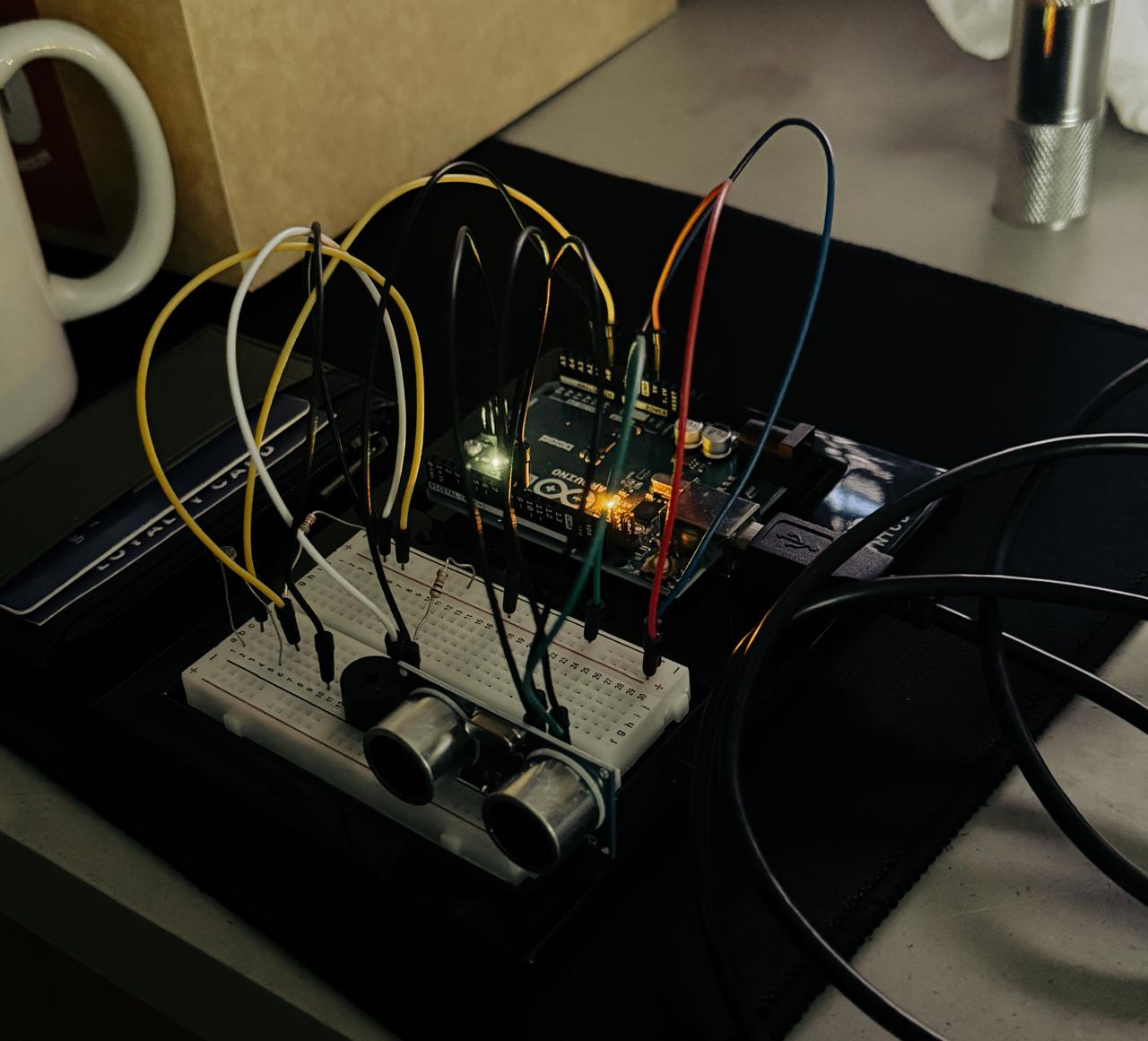
Aura is a physical-digital ambient desk object that reads a room along the metrics of light, presence, sound and translates it into a living generative visual. It consists of a photoresistor, ultrasonic sensor, and microphone, which all feed into a p5.js sketch that renders color, motion, and texture in real time. A secondary system accumulates environmental data over longer intervals and surfaces a short poem reflecting the room's emotional "weather." The object is made to sense everything and explain nothing.

Role: Solo -- Concept, Design, Hardware, Software
Duration: December 2025
Tools: Arduino, Sensors (Photoresistor, Ultrasonic, Piezo), p5.js
Type: Design research / Ambient computing
THE PROBLEM
We have built a world where everything is scored. Every activity, from screen time, step counts, productivity metrics to sleep quality ratings, gets converted into a number, and every number comes with an implicit instruction: do better, move faster, optimize.
The translation of hustle culture in the interface level results in the structure of our daily systems into something where every nudge and notifications asks us to act on something. They blur the distinction between perception and response. Aura is a protest against the notion that every component in daily life should be intended to get more output.
DISCOVERY
The starting point was noticing how thorough quantification had colonized my daily life. It starts from productivity apps and ends in the smart home, the fitness tracker, the ambient displays. Every system I interacted with sensed something real and then immediately told me (sometimes implicitly, sometimes explicitly) what to do about it.
The question I kept returning to: what if a sensing system created awareness without demanding a response? Mark Weiser and Hiroshi Ishii's work on calm technology pointed in this direction, the idea that interfaces can inform without commanding attention. Aura treats that as a design stance and pushes it further.
PROCESS & ITERATION
Hardware.
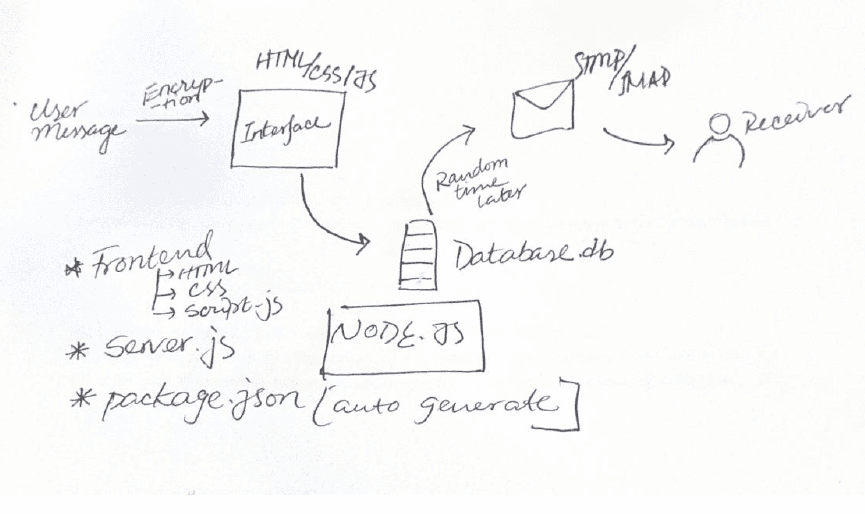
Arduino, with 2 sensors, reads three signals: photoresistor (brightness), ultrasonic sensor (proximity), laptop microphone (sound). Values stream continuously into a p5.js sketch.
Smoothing.
All inputs ease gradually without any spike reactions. The system moves toward change slowly, which creates a breathing quality. This was a deliberate choice over reactivity; I chose a calm system versus a constant present one.
Signal mapping.
Light tints the background: cool blues in dim rooms, warmer hues in bright. Proximity energizes particles: faster, thicker rings, more motion. Sound drives a slow halo pulse, quiet rooms breathe slowly, louder moments quicken. Spark-like particles drift and fade as traces of what just passed.
Poem system.
A second layer accumulates data over longer periods. It averages light, presence, and sound across time, then categorizes the ambient conditions and displays a short poem. Immediate reaction paired with slow reflection -- the opposite of the alert-driven feed.
KEY DECISIONS & TRADE-OFFS
No numbers.
Any number would shift the user from experiencing to evaluating. The entire point was preserving the space before evaluation.
Smoothing over reactivity.
Easing functions here are a philosophical position. A system that twitches mimics the logic of notifications whereas a system that breathes does something completely different.
Accumulation over immediacy.
The poem averages over time rather than reporting the present moment. Users started noticing broader mood patterns rather than isolated events. That's the experience hustle culture removes. That also works as a notification of the end of an hour, which, when paid attention to, directs users to a reflective stage.
Ambiguity as the actual feature.
Some users wanted to know what the visuals "meant." That, to me, meant that this project is a success, because that open-to-interpretation is the point of it. The moment a legend is added, the object becomes a tool, something to be used rather than inhabited.
TESTING
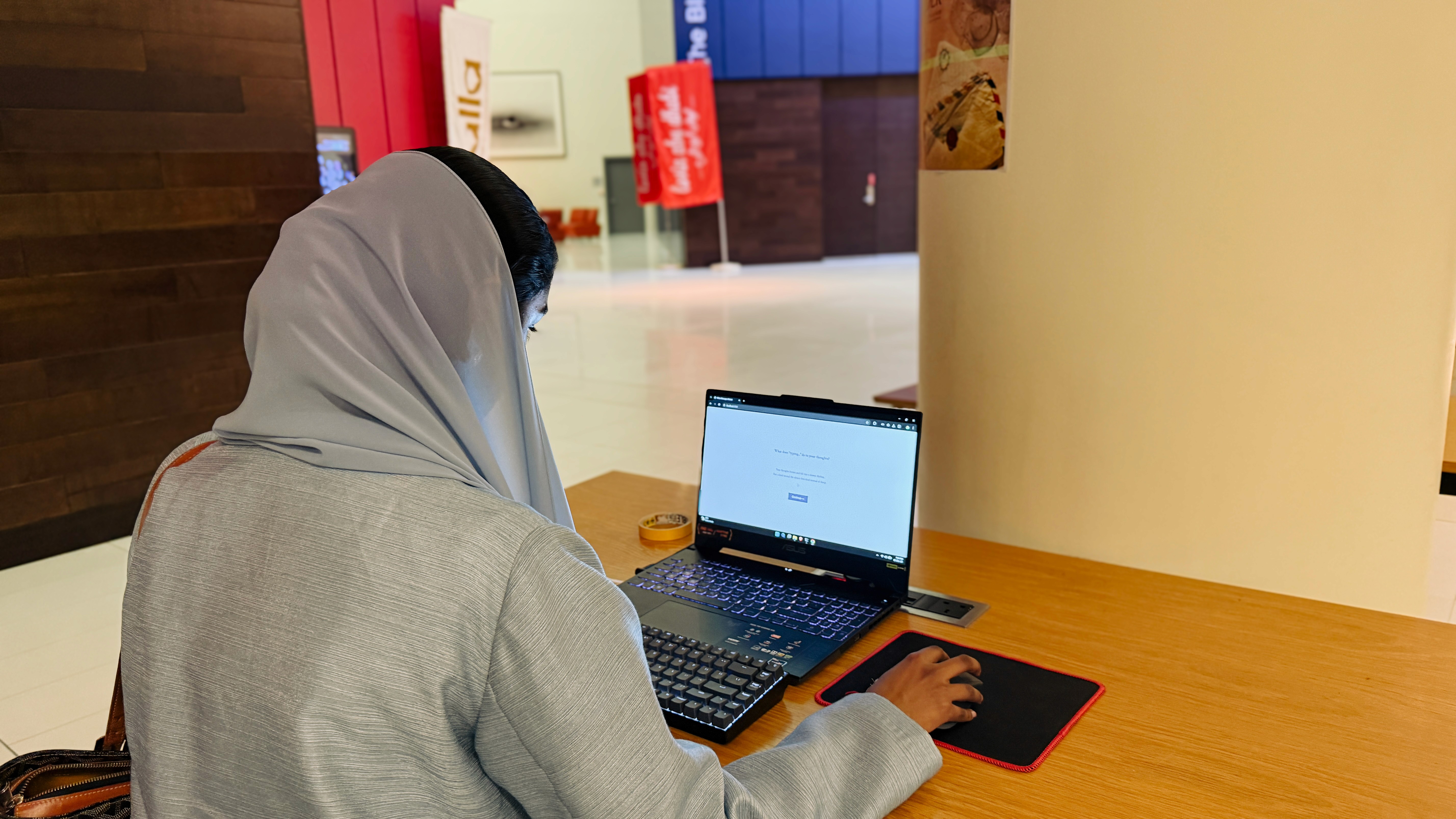
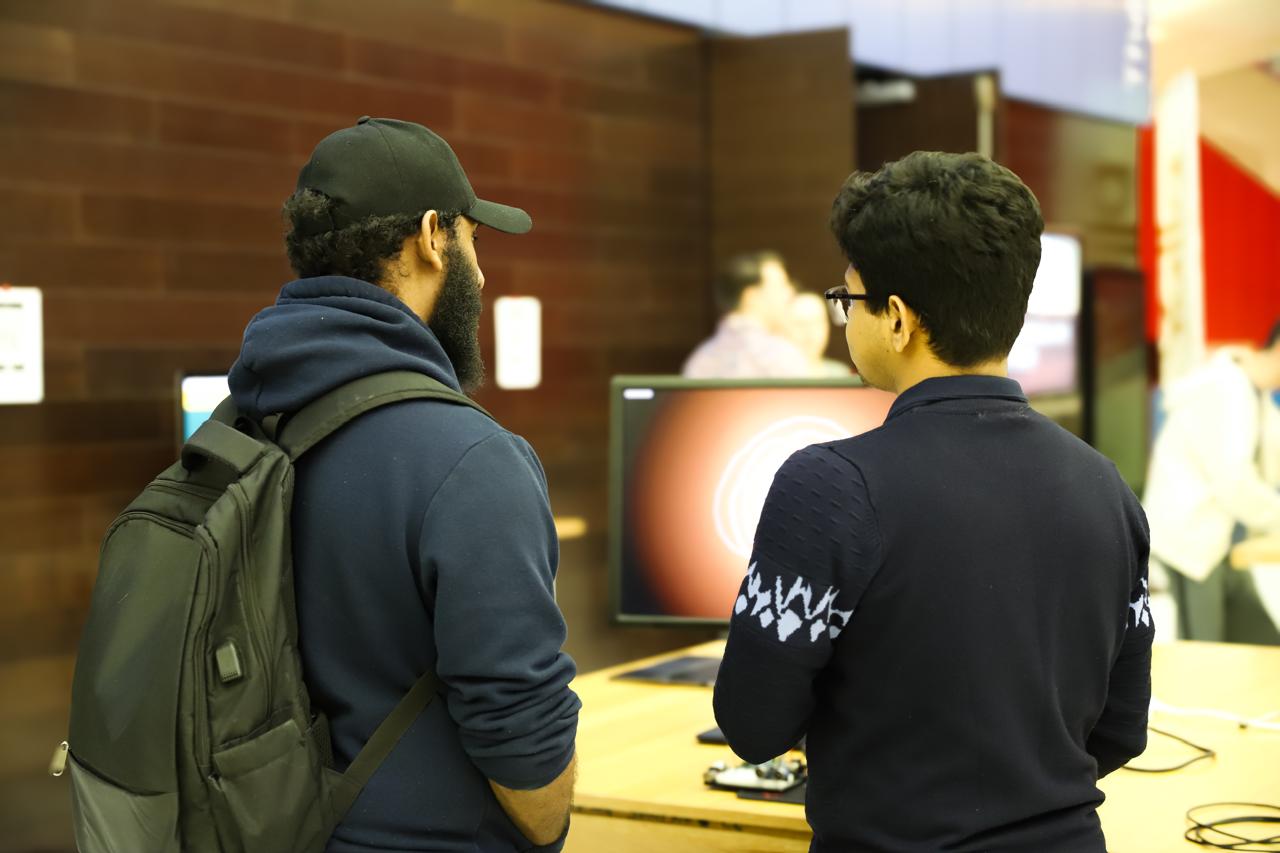
Observational, watching people interact with the object and noting responses.
Worked:
Several users found it genuinely calming. One described the space as "remembered," which was close to what I was after. The poem system seemed to change the felt quality of time, which made people notice longer environmental patterns rather than fixating on current readings.
Few users were unsettled by the lack of explicit meaning and kept asking if readings were "good" or "bad." I read this as validation rather than failure. The discomfort came from the fact that expectation of quantification runs deep enough that its absence feels wrong. That reaction is exactly what the project is trying to surface.
REFLECTION
The project ended up being as much about diagnosis as design. Building something that refuses to optimize revealed how much of our interface culture assumes optimization is always the goal. The users who found it calming were responding to the removal of a kind of pressure they had stopped noticing. Restraint turned out to be its own form of communication. Refusing metrics, alerts, and to explain created the space that most sensing systems immediately collapse.