Surrender
Designing communication without certainty
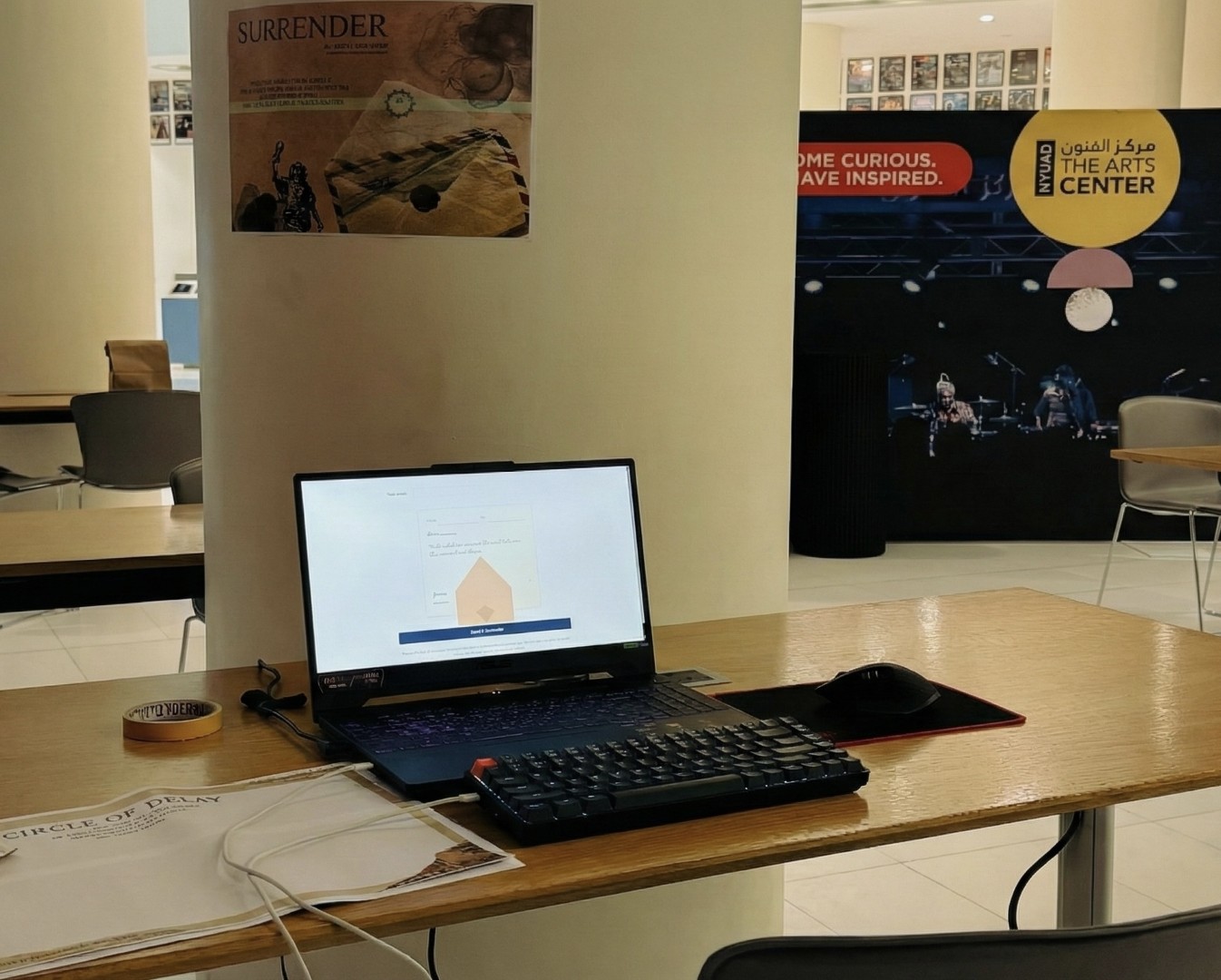
Modern messaging systems optimize relentlessly for speed and certainty. Read receipts, typing indicators, and delivery confirmations compress communication into a single emotional moment, creating pressure to perform, respond, and monitor. This shifts attention away from meaning and toward validation.
The problem is not speed itself, rather the loss of distance.
The constraint space
- Users are conditioned to expect immediate feedback
- Removing certainty risks frustration, anxiety, or abandonment
- The system must slow behavior without forcing it
- Trust must be earned without tracking or reassurance mechanisms
The key decision
I chose to design uncertainty as a first-class feature rather than a side effect.
Instead of simulating slowness or adding optional delays, the system commits fully: once a message is sent, the sender relinquishes control. No tracking, confirmation or undo.
This decision prioritized emotional integrity over convenience.
System description
Surrender is a messaging system where messages are delivered at a random time between one and seven days.
Key elements:
- A letter-like writing interface to break email and chat expectations
- A multi-step entry flow that introduces intentional friction before writing
- Randomized delivery with no receipts, indicators, or status updates
- A submission moment that explicitly communicates irreversibility
The system is technically simple but behaviorally strict.
Trade-offs and failure modes
- Not suitable for urgent or transactional communication
- Some users experienced discomfort or loss of control
- The experience weakens if the sender forgets the message entirely
These were accepted costs. The system is designed for careful communication, not efficiency.
Outcomes
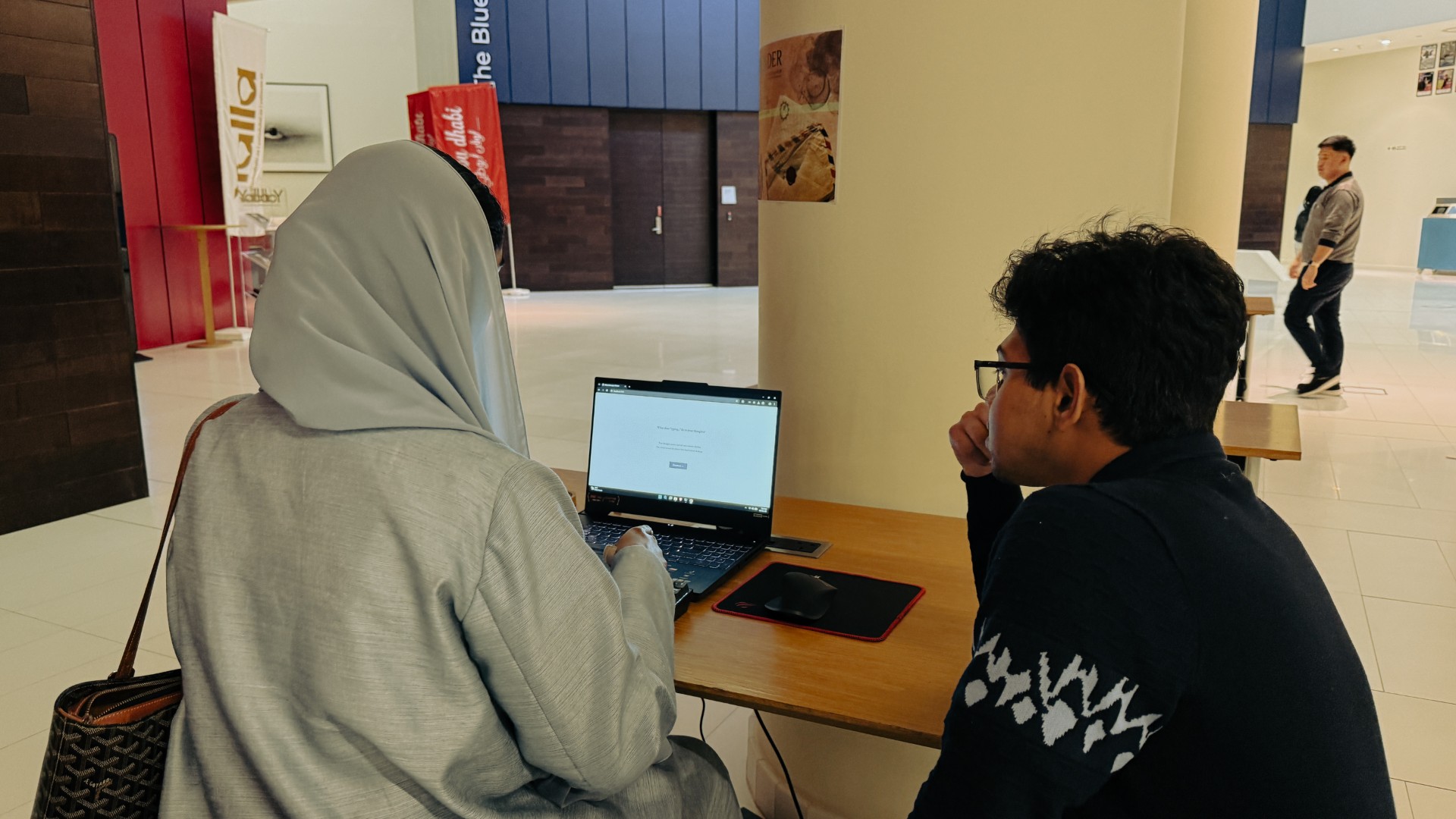
User testing with designers, academics, and non-designers revealed consistent behavioral shifts:
- Messages were written more deliberately
- Received messages were read with more attention
- Emotional nuance became more noticeable
The design changed how people behaved, not just what they saw.
Real-world viability
This system would not replace mainstream messaging.
It could exist as:
- A niche communication tool for long-form, emotionally significant messages
- A mode within existing platforms
- A private channel for therapeutic, creative, or reflective contexts
Key Takeaways
- Design behavioral change through constraint
- Use friction intentionally rather than defensively
- Make irreversible design decisions and own their consequences